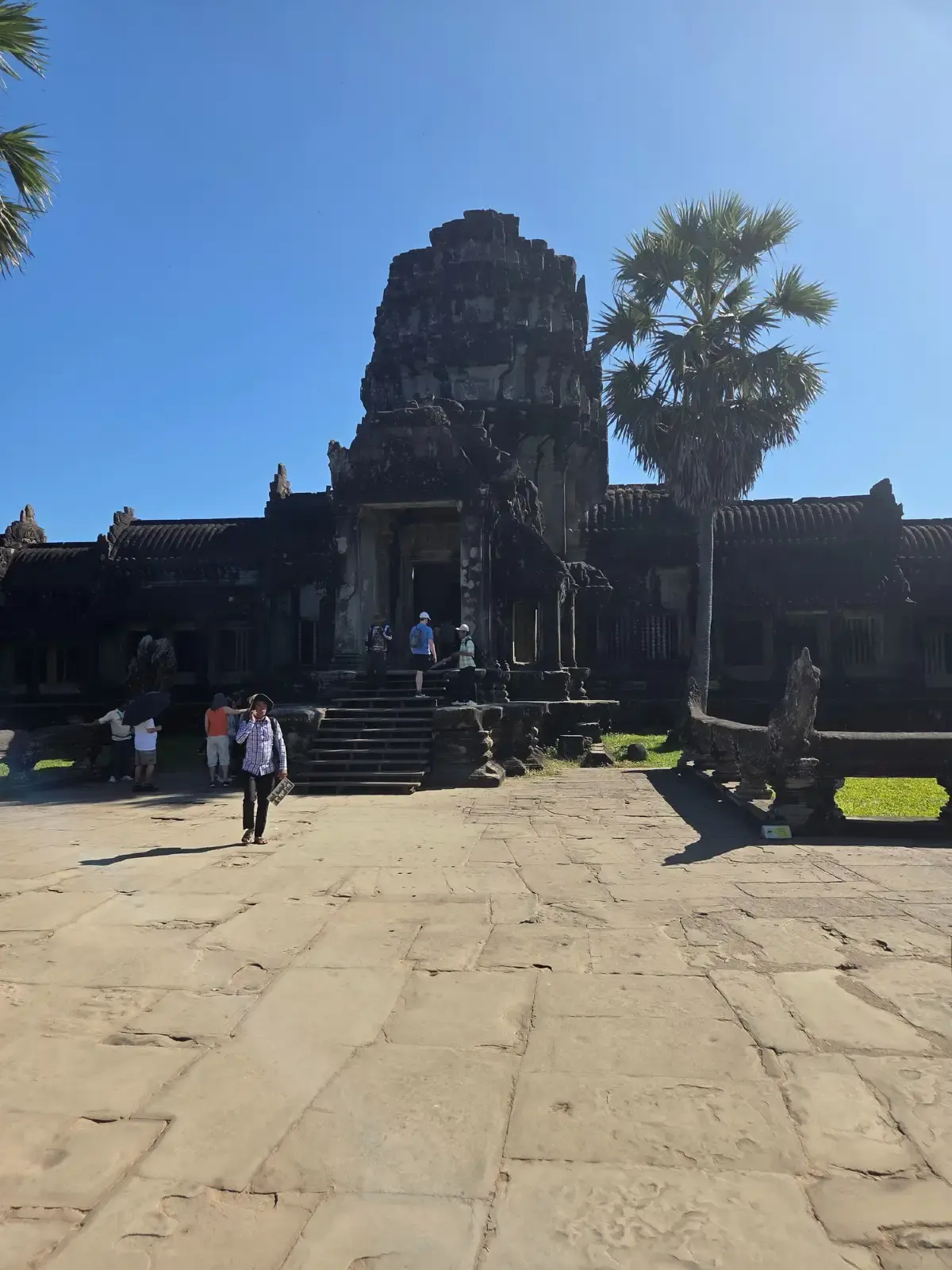
So, you’ve decided to visit Angkor Wat — the largest religious monument on Earth, a UNESCO World Heritage Site, and the crown jewel of Cambodia. Congratulations! You are about to embark on one of the most awe-inspiring travel experiences of your lifetime. 🇰🇭✨
But here’s the truth: Angkor Archaeological Park is massive. Spanning over 400 square kilometers with dozens of major temples, navigating this ancient wonderland without a solid plan can quickly turn into an exhausting, sunburned mess.
That’s where this guide comes in. Think of this as your ultimate pre-trip command center. We’ve broken down the entire planning process into 15 actionable steps, so you can check things off one by one and arrive in Siem Reap feeling completely prepared.
Grab a pen, open your notes app, and let’s build your perfect Angkor Wat trip — step by step. ✅
🗓️ STEP 1: Choose Your Travel Dates
Your travel dates will dictate everything from crowd levels to weather conditions. Choosing the right window is the single most important planning decision you’ll make.
🌤️ Understanding Cambodia’s Seasons
| Season | Months | Weather | Crowds | Verdict |
|---|---|---|---|---|
| Cool & Dry 🏆 | Nov – Feb | 20–30°C, sunny | High (Peak) | Best overall |
| Hot & Dry 🥵 | Mar – May | 35–40°C, humid | Medium | Tough but doable |
| Green & Wet 🌧️ | Jun – Oct | 25–33°C, showers | Low | Best for photos |
🎯 Key Considerations
- November to February is the golden window. Skies are clear, temperatures are manageable, and the moats around the temples are still full from the rainy season, creating stunning reflections.
- April and May are brutally hot. Stone temples radiate heat like ovens. If you must travel during these months, plan to be inside the temples by 6:00 AM and retreat to your hotel pool by 11:00 AM.
- June to October brings short, intense afternoon downpours (usually 1–2 hours). The upside? Lush green jungle, full moats, dramatic skies, and significantly fewer tourists.
- ⚠️ Avoid Khmer New Year (mid-April): Siem Reap becomes extremely crowded with domestic travelers, and many local businesses close.
✅ CHECKLIST ITEM: Lock in your travel dates based on your preferred season and crowd tolerance.
✈️ STEP 2: Book Your Flights to Siem Reap
🛬 Arriving by Air
Siem Reap is served by the Siem Reap-Angkor International Airport (SAI), located approximately 40 kilometers from the city center and the temple park.
- Direct Flights Available From: Bangkok, Kuala Lumpur, Singapore, Ho Chi Minh City, Hanoi, Seoul, Guangzhou, and more.
- Transfer to Town: Pre-book a hotel shuttle, take an airport taxi (approx. $30–$40), or use a ride-hailing app. The drive takes about 45–60 minutes.
🚌 Arriving Overland
- From Phnom Penh: Giant Ibis, Mekong Express, or Vireak Buntham buses run daily (approx. 5–6 hours).
- From Bangkok: Buses run to the Poipet border crossing, then continue to Siem Reap (approx. 8–10 hours total).
✅ CHECKLIST ITEM: Book flights or bus tickets and arrange your airport/station transfer in advance.
🛂 STEP 3: Arrange Your Cambodian Visa
Most nationalities require a visa to enter Cambodia. You have two main options:
Option A: E-Visa (Recommended) 💻
- Apply online at the official Cambodian e-Visa portal before your trip.
- Cost: ~$36 USD (including processing fee).
- Processing Time: 3 business days.
- Validity: 30 days, single entry.
- Pro-Tip: Print two copies of your e-Visa approval — one for immigration, one for your records.
Option B: Visa on Arrival 🛬
- Available at Siem Reap Airport and major land borders.
- Cost: $30 USD for a tourist visa (T-class).
- What You Need: Passport (valid for 6+ months), one passport-sized photo, and exact cash (USD).
⚠️ Important Notes
- Your passport must be valid for at least 6 months beyond your entry date.
- Always carry a photocopy of your passport separately from the original.
✅ CHECKLIST ITEM: Apply for your e-Visa or prepare exact cash + photo for Visa on Arrival. Verify passport validity.
🏨 STEP 4: Choose & Book Your Accommodation
Where you stay in Siem Reap will affect your convenience, sleep quality, and overall vibe.
📍 Best Areas to Stay
| Area | Best For | Vibe | Price Range |
|---|---|---|---|
| Old Market / Pub Street 🍻 | First-timers, nightlife | Bustling, loud, central | –$ |
| Wat Bo / Riverside 🌿 | Couples, boutique lovers | Quiet, artsy, charming | –$ |
| Charles de Gaulle Blvd 🛕 | Temple-focused travelers | Direct road to Angkor | $$ |
| Countryside / Outskirts 🌾 | Luxury, families, spas | Peaceful, resort-style | $ – $$ |
💡 Booking Tips
- Book early if traveling during peak season (Dec–Jan).
- Look for hotels that offer early breakfast or packed breakfast boxes — you’ll need this for sunrise temple runs.
- Confirm whether the hotel can arrange a tuk-tuk driver for your temple days. Most reputable hotels will do this for free or a small commission.
- A swimming pool is not a luxury; it’s a necessity after 6+ hours of temple exploration in the heat.
✅ CHECKLIST ITEM: Book accommodation with a pool, early breakfast option, and tuk-tuk arrangement service.
🗓️ STEP 5: Decide How Many Days You Need
This is the question every traveler asks. The answer depends on your travel style, fitness level, and how deep you want to go.
🎯 Recommended Duration Guide
| Pass Type | Best For | What You’ll See |
|---|---|---|
| 1-Day ($37) 🏃 | Extremely tight schedules | Angkor Wat + Angkor Thom + Ta Prohm (rushed) |
| 3-Day ($62) ⭐ | Most travelers (RECOMMENDED) | Full Small Circuit + Grand Circuit + sunrise/sunset |
| 7-Day ($72) 🧘 | History buffs, photographers, slow travelers | Everything above + Beng Mealea, Phnom Kulen, hidden gems |
📐 The “Temple Fatigue” Factor
Here’s something nobody tells you: after seeing your 5th or 6th temple, they all start to blur together. This is called “temple fatigue.” The 3-day pass gives you the flexibility to take a midday break, explore Siem Reap town, or simply rest by the pool.
✅ CHECKLIST ITEM: Decide on your pass duration. For most first-timers, the 3-Day Pass is the sweet spot.
🎟️ STEP 6: Purchase Your Angkor Pass
📍 Where to Buy
Tickets are sold only at the official Angkor Enterprise Ticket Center, located on the main road between Siem Reap town and the Angkor Archaeological Park. You cannot buy tickets at individual temple gates.
💰 Official Prices
- 1-Day Pass: $37 USD
- 3-Day Pass: $62 USD (valid for 10 days from issue)
- 7-Day Pass: $72 USD (valid for 1 month from issue)
- Children under 12: FREE (passport required as proof)
📸 The Process
- Queue at the counter.
- Pay in cash (USD) or by credit card.
- Have your photo taken digitally for the pass.
- Receive your laminated pass with your photo printed on it.
🌅 THE GOLDEN RULE: Buy Your Ticket the Day Before!
If you plan to catch the sunrise at Angkor Wat (and you absolutely should), do NOT buy your ticket on the morning of your visit.
- The ticket center opens at 4:30 AM, but the queue can be hundreds of people deep.
- The Hack: Arrive at the ticket center anytime after 4:45 PM the previous day. Your pass will be dated for the next day, meaning it won’t start counting until tomorrow. You can even use that same evening to catch a sunset at Phnom Bakheng for free!
✅ CHECKLIST ITEM: Buy your Angkor Pass the afternoon before your first sunrise visit. Bring exact USD cash or a credit card.
🛺 STEP 7: Arrange Your Transportation
The Angkor Archaeological Park is enormous. You cannot walk between temples. Here are your options:
Option 1: Tuk-Tuk 🛺 (Most Popular)
- Cost: $15–$25 per day (negotiable based on circuit).
- How it Works: Your driver waits at each temple entrance while you explore. They become your personal “base camp” — storing your bag, providing cold water, and offering route advice.
- Booking: Ask your hotel to arrange one, or negotiate directly with a driver in town. Get their phone number for multi-day bookings.
Option 2: E-Bike 🚲
- Cost: $5–$10 per day.
- Best For: Independent travelers who want to explore at their own pace and access smaller paths.
- Warning: Distances are longer than they look on maps (10km+ between some temples). The heat is relentless. Only recommended if you’re fit and start by 5:00 AM.
Option 3: Private Air-Conditioned Car 🚙
- Cost: $40–$60+ per day.
- Best For: Families with young children, elderly travelers, or anyone visiting during the scorching months of April/May.
Option 4: Guided Tour Bus 🚌
- Cost: Varies by package.
- Best For: Those who want zero logistical planning. A guide handles everything.
✅ CHECKLIST ITEM: Book your tuk-tuk driver or transport for all temple days in advance. Confirm the price, pickup time, and which circuit you’ll cover each day.
🗺️ STEP 8: Plan Your Daily Itinerary
Don’t wing it. Map out exactly which temples you’ll visit and in what order.
🟢 Day 1: The Small Circuit (The “Must-Sees”)
This is the essential route every first-timer must cover.
| Time | Activity | Duration |
|---|---|---|
| 5:00 AM | 🌅 Sunrise at Angkor Wat (Left Reflection Pond) | 1.5 hrs |
| 6:30 AM | 🏛️ Explore Angkor Wat (bas-reliefs, galleries, Bakan tower) | 2.5 hrs |
| 9:30 AM | ☕ Break / Coconut water | 30 min |
| 10:00 AM | 🏰 Angkor Thom (South Gate, Bayon, Baphuon, Terraces) | 2.5 hrs |
| 12:30 PM | 🍜 Lunch break (restaurants near Ta Prohm) | 1 hr |
| 1:30 PM | 🌳 Ta Prohm (Tomb Raider temple) | 1.5 hrs |
| 3:00 PM | 🛕 Banteay Kdei or Srah Srang (if energy allows) | 1 hr |
| 4:30 PM | 🌇 Sunset at Pre Rup or return to town | 1 hr |
🔵 Day 2: The Grand Circuit
For 3-Day and 7-Day pass holders.
| Time | Activity | Duration |
|---|---|---|
| 5:30 AM | 🌅 Sunrise at a quieter spot (e.g., Pre Rup or Srah Srang) | 1 hr |
| 7:00 AM | 🛕 Preah Khan (massive Buddhist monastery) | 1.5 hrs |
| 9:00 AM | 🏝️ Neak Pean (island healing temple) | 45 min |
| 10:00 AM | 🌳 Ta Som (tree-root gateway) | 45 min |
| 11:00 AM | 🧱 East Mebon (island temple in a dry reservoir) | 45 min |
| 12:00 PM | 🍜 Lunch & Rest | 1.5 hrs |
| 2:00 PM | 🏛️ Banteay Samré or revisit favorites | 1.5 hrs |
| 4:00 PM | 🌇 Sunset at Pre Rup | 1 hr |
🟡 Day 3: Beyond the Main Park (7-Day Pass)
- 🌿 Beng Mealea: The “jungle temple” — a collapsed, unrestored ruin 40km from Siem Reap.
- 💧 Phnom Kulen: Sacred mountain with waterfalls and the “River of a Thousand Lingas.”
- 🦋 Banteay Srei: The “Citadel of Women” — 25km away, featuring the most intricate carvings in all of Angkor.
✅ CHECKLIST ITEM: Map out your daily temple routes. Mark sunrise and sunset spots. Share the plan with your tuk-tuk driver.
🎒 STEP 9: Prepare Your Packing List
Packing smart can make or break your temple experience. Here’s your essential checklist:
👕 Clothing
- 2–3 sets of modest clothing (shoulders and knees covered)
- Lightweight, breathable long pants or maxi skirt
- T-shirts or blouses with sleeves
- A light scarf or shawl (for sun protection, NOT as shoulder cover)
- Comfortable walking shoes with good grip (stone steps are steep and uneven)
- Slip-on sandals (easy to remove when entering sacred upper levels)
🧴 Sun & Bug Protection
- SPF 50+ sunscreen (reapply every 2 hours)
- Wide-brimmed hat or cap
- UV-blocking sunglasses
- DEET-based insect repellent (mosquitoes are fierce at jungle temples)
💧 Hydration & Nutrition
- Reusable water bottle (at least 1.5 liters)
- Electrolyte tablets or powder packets
- Energy bars or trail mix
📱 Tech & Gear
- Phone + power bank (you’ll take 500+ photos)
- Camera + extra batteries/SD cards
- Small flashlight or headlamp (for 5 AM temple walks)
- Universal travel adapter
🧻 Comfort & Hygiene
- Tissues / toilet paper
- Wet wipes
- Hand sanitizer
- Small first-aid kit (band-aids, antiseptic, pain reliever)
- A small daypack (leave your big backpack at the hotel)
✅ CHECKLIST ITEM: Lay out all items the night before. Double-check your dress code compliance.
👗 STEP 10: Learn the Temple Dress Code & Etiquette
This is non-negotiable. Guards will turn you away if you don’t comply.
✅ The Dress Code Rules
- Shoulders must be fully covered. No tank tops, no spaghetti straps, no crop tops.
- Knees must be fully covered. No short shorts, no miniskirts.
- No sheer cover-ups. Throwing a see-through scarf over a tank top does NOT count.
- Footwear: Wear shoes you can easily slip on/off. You must remove shoes to climb to the top tier of Angkor Wat (the Bakan).
🙏 Temple Etiquette
- 🚫 Do NOT touch the bas-reliefs or carvings. Skin oils erode the sandstone.
- 🚫 Do NOT climb on restricted structures or sit on Buddha statues.
- 🚫 Do NOT use flash photography in dark interior corridors.
- 🗣️ Keep your voice low. Monks pray here daily. It is a living sacred site.
- 📸 Ask permission before photographing monks or local people.
- 🚭 No smoking anywhere in the park.
✅ CHECKLIST ITEM: Review the dress code with your travel companions. Ensure everyone has compliant outfits packed.
🗣️ STEP 11: Decide Whether to Hire a Guide
🤔 Do You Need One?
You are not required to have a guide, but here’s why you should strongly consider it:
- 🏛️ Context: Without a guide, the temples are beautiful but mysterious. A guide explains the Hindu epics, the symbolism of the carvings, and the rise and fall of the Khmer Empire.
- 📸 Photo Spots: Guides know the best angles, hidden corridors, and the exact times crowds thin out.
- ⏱️ Efficiency: They help you navigate the park logically, saving you time and energy.
- 🗣️ Language: English-speaking guides are widely available and very affordable.
💰 Cost
- Shared group guide: $5–$10 per person.
- Private English-speaking guide: $25–$50 per day.
- Booking: Ask your hotel, or hire one at the official guide station near the ticket center.
✅ CHECKLIST ITEM: Decide on a guide. If yes, book in advance through your hotel or a reputable local agency.
⚕️ STEP 12: Prepare for Health & Safety
🥵 Beating the Heat
- Start your temple day by 5:00 AM.
- Take a full break from 11:30 AM to 2:30 PM (lunch + pool + rest).
- Drink water before you feel thirsty. Aim for 3–4 liters per day.
- Recognize heat exhaustion signs: dizziness, nausea, rapid heartbeat. Seek shade immediately.
🐒 Monkey Safety
- Macaques are everywhere, especially around Angkor Thom and Bayon.
- Do NOT feed them.
- Do NOT make eye contact or smile showing teeth (they see it as aggression).
- Keep sunglasses, hats, water bottles, and food inside your bag, zipped shut.
- They are fast and fearless. They will snatch items from your hands.
🚻 Bathroom Breaks
- There are no bathrooms inside the ancient temples.
- Public restrooms are available at the ticket center, Angkor Wat main entrance, and near food stalls at Ta Prohm and Angkor Wat.
- Carry your own toilet paper and hand sanitizer.
💊 Medications
- Bring anti-diarrhea medication, rehydration salts, and pain relievers.
- If you’re prone to motion sickness, bring medication for the tuk-tuk rides on bumpy park roads.
✅ CHECKLIST ITEM: Pack a mini health kit. Hydrate aggressively. Respect the monkeys from a distance.
🍜 STEP 13: Plan Your Meals & Rest Stops
🌅 Breakfast Before Sunrise
- If you’re heading to the temples at 4:30 AM, most hotel restaurants won’t be open.
- Solution: Ask your hotel the night before to prepare a packed breakfast box (usually a sandwich, fruit, and juice/coffee).
- Alternatively, grab a quick coffee and pastry from a 24-hour convenience store in town.
🍽️ Lunch Options
- Inside the park: Rows of local restaurants sit across from Angkor Wat and Ta Prohm. They serve Khmer curry, fried rice, noodles, and fresh coconut. Prices are slightly inflated ($5–$8 per dish) but convenient.
- Back in town: For better quality and lower prices, have your tuk-tuk driver bring you back to Siem Reap for lunch.
🥤 Snacks & Water
- Buy water and snacks in Siem Reap town before heading to the park. Prices inside the park are 2–3x higher.
- Fresh coconuts sold by roadside vendors are an amazing, hydrating treat ($1–$2).
✅ CHECKLIST ITEM: Arrange breakfast boxes for sunrise mornings. Pack snacks and water. Identify lunch spots on your route.
✅ STEP 14: The Day-Before Checklist
The night before your first temple day, run through this final checklist:
- 🎟️ Angkor Pass purchased (if going for sunrise)
- 🛺 Tuk-tuk driver confirmed (name, phone number, pickup time)
- 👗 Dress code outfits laid out (shoulders + knees covered)
- 👟 Comfortable walking shoes ready
- 🎒 Daypack packed (water, sunscreen, hat, tissues, power bank, flashlight)
- 💵 Cash prepared (small USD bills for water, tips, snacks)
- 📱 Phone fully charged + power bank at 100%
- 🍞 Breakfast box requested from hotel
- ⏰ Alarm set for 4:00 AM (for a 5:00 AM sunrise arrival)
- 🗺️ Itinerary reviewed and shared with your driver
- 🧴 Sunscreen and bug spray in the bag
- 💊 Any personal medications packed
✅ CHECKLIST ITEM: Complete this entire checklist the night before. Sleep early. You have a big day ahead!
📋 STEP 15: Your Printable Summary Checklist
Here’s your entire trip condensed into one quick-reference list:
| Step | Task | Status |
|---|---|---|
| 1 | Choose travel dates (Nov–Feb ideal) | ⬜ |
| 2 | Book flights to Siem Reap + airport transfer | ⬜ |
| 3 | Apply for Cambodian e-Visa / prepare Visa on Arrival | ⬜ |
| 4 | Book hotel with pool + early breakfast + tuk-tuk service | ⬜ |
| 5 | Decide on pass duration (1, 3, or 7 days) | ⬜ |
| 6 | Buy Angkor Pass (day before sunrise!) | ⬜ |
| 7 | Arrange tuk-tuk / e-bike / car for all temple days | ⬜ |
| 8 | Map out daily itineraries (Small + Grand Circuits) | ⬜ |
| 9 | Pack clothing, gear, hydration, and health items | ⬜ |
| 10 | Confirm dress code compliance for all travelers | ⬜ |
| 11 | Book a guide (optional but recommended) | ⬜ |
| 12 | Prepare health & safety essentials | ⬜ |
| 13 | Plan meals and identify lunch stops | ⬜ |
| 14 | Complete the Night-Before Checklist | ⬜ |
| 15 | Wake up, grab your coffee, and go watch the sunrise 🌅 | ⬜ |
❓ Frequently Asked Questions (FAQs)
Q: How much does it cost to visit Angkor Wat? A: The Angkor Pass costs $37 (1-day), $62 (3-day), or $72 (7-day). Add $15–$25/day for a tuk-tuk driver, $25–$50/day for a private guide, plus meals and accommodation. Budget roughly $80–$150 per person per day depending on your comfort level.
Q: Can I visit Angkor Wat without a guide? A: Yes, it’s not mandatory. However, a guide transforms the experience from “looking at old rocks” to “understanding a civilization.” Highly recommended for first-timers.
Q: Is Angkor Wat safe? A: Yes, very safe. Violent crime against tourists is extremely rare. The main “dangers” are dehydration, sunburn, and mischievous monkeys.
Q: Can I fly a drone at Angkor Wat? A: Absolutely not. Drones are strictly prohibited throughout the entire park. Fines are heavy and confiscation is guaranteed.
Q: What should I do if it rains during my visit? A: Embrace it! The rain usually lasts 1–2 hours in the afternoon. The temples look spectacular in the rain — the stones turn a rich, dark color, the jungle glistens, and the crowds vanish. Bring a lightweight poncho.
Q: Are there ATMs near the temples? A: No. There are no ATMs inside the Angkor Archaeological Park. Withdraw or exchange enough cash in Siem Reap town before heading to the temples.
Q: Can I re-enter the temple with the same ticket? A: Yes! Your Angkor Pass allows unlimited entries and exits during its validity period. You can leave for lunch, rest at your hotel, and return in the afternoon.
🌟 Final Thoughts
Planning a trip to Angkor Wat doesn’t have to be stressful. With this step-by-step checklist, you now have a clear, actionable roadmap from booking your flight to watching that magical sunrise paint the sky over the ancient towers.
The key is preparation. Book your pass early, arrange your transport, pack smart, respect the dress code, and give yourself enough days to truly absorb the magic without burning out.
Angkor Wat is not just a destination. It’s a pilgrimage through time. The Khmer Empire built something so extraordinary that it still stops travelers in their tracks 900 years later. Go prepared, go curious, and go with a sense of wonder.
Safe travels, and enjoy every single step. 🇰🇭🐘✨
📌 Save this checklist for your trip! Share it with your travel buddy and start planning your Angkor Wat adventure today.