📋 How to Plan a Trip to Angkor Wat: A Step-by-Step Checklist
So, you’ve decided to visit Angkor Wat — the largest religious monument on Earth, a UNESCO World Heritage Site, and the crown…
Read moreSiem Reap · Cambodia · អង្គរវត្ត
Before sunrise, the crowds gather in darkness at the northern pond — and when the light comes, five towers rise out of the mist and double themselves in still water. Angkor Wat is the largest religious monument on earth, a twelfth-century mountain built stone by stone for the gods, and the single morning everyone who visits Cambodia remembers.
01 · The Temple
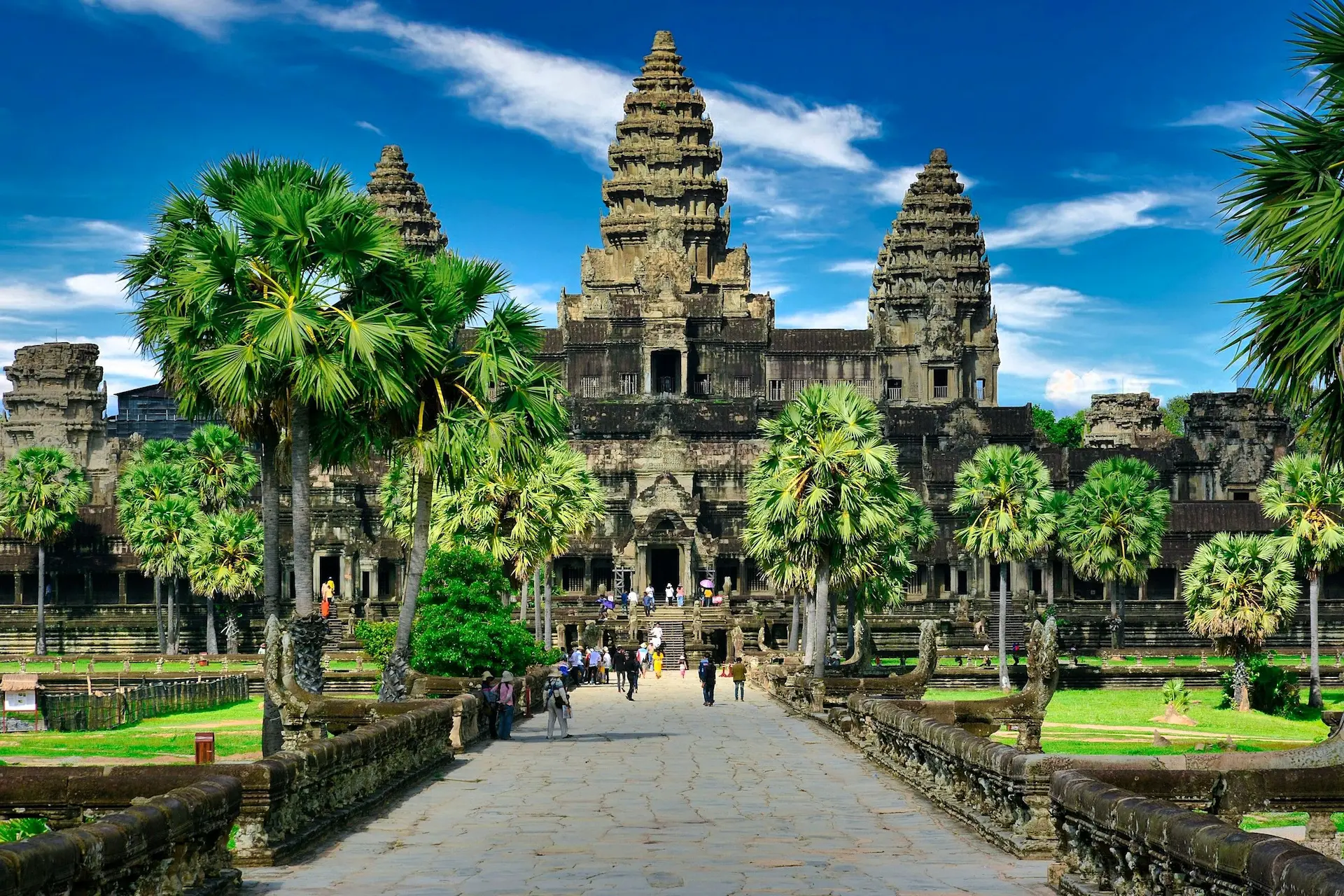
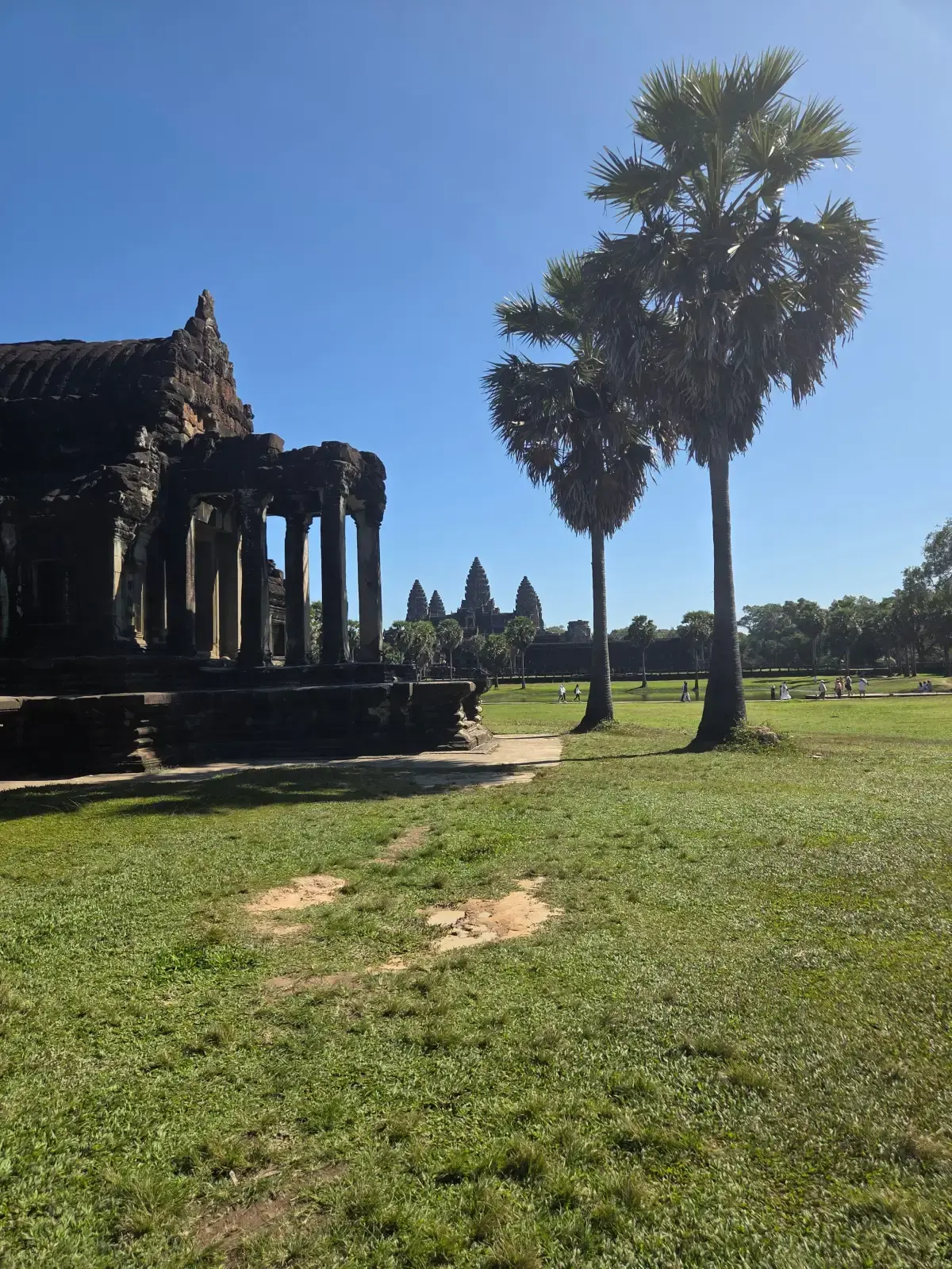
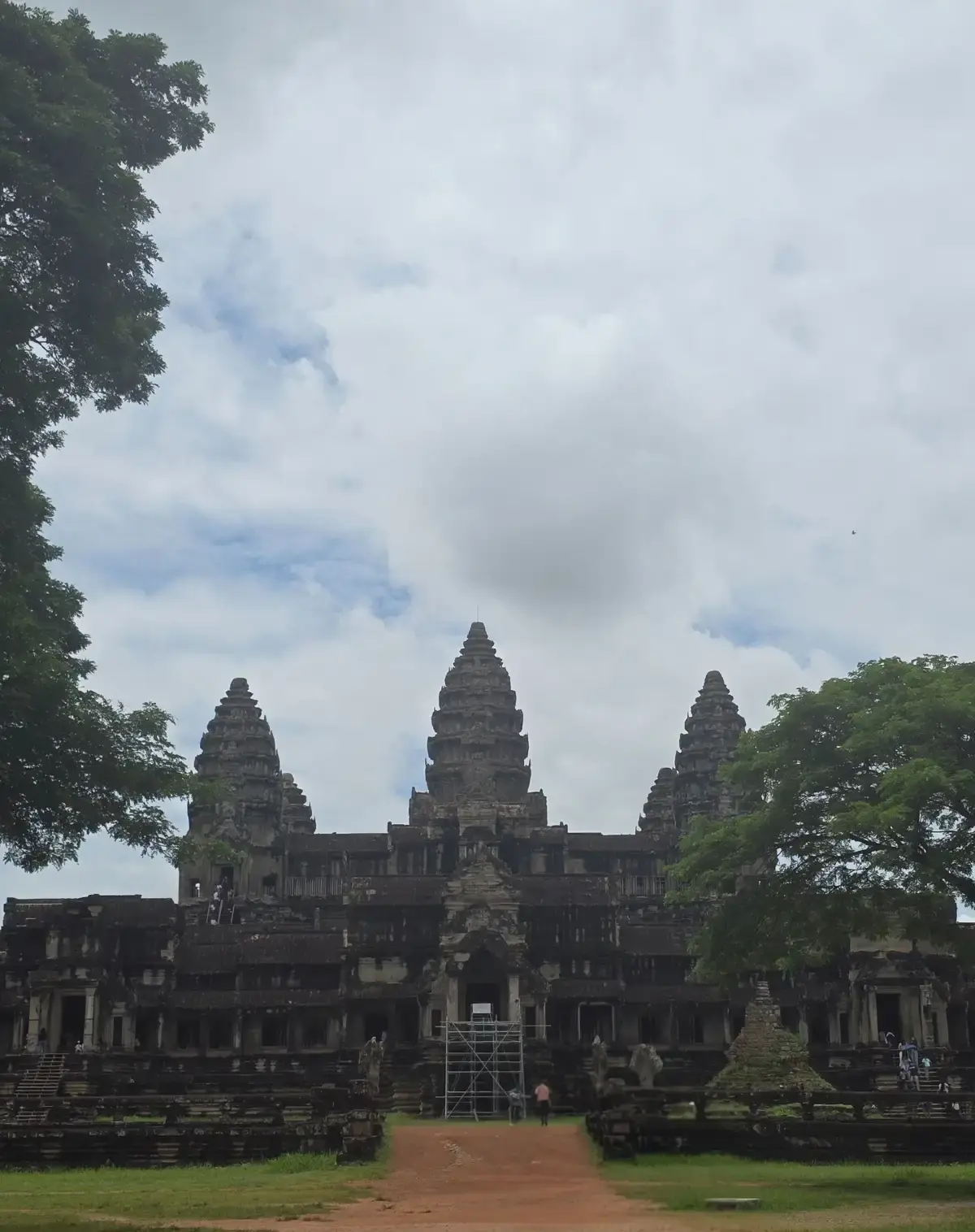
Raised in the early twelfth century under King Suryavarman II, Angkor Wat was conceived as a earthly model of the Hindu cosmos — Mount Meru in five towers, oceans in a moat two hundred meters wide. Nearly nine hundred years later it remains the largest religious monument on earth, its galleries running almost a full kilometer of carved bas-relief, and its silhouette has anchored the Cambodian flag since the 1800s.
Yet the numbers undersell the experience. Angkor Wat is not a ruin you glance at; it is a working temple where monks in saffron cross the causeway at dawn, where every gallery tells an epic in stone, and where the whole design only reveals itself slowly — from the dark causeway, to the mirrored pond, to the towers that finally detach from the sky. Give it a morning at minimum, and a full Angkor Pass if you can — because the wider complex around it deserves days.
02 · The morning route
Angkor Wat rewards sequence — the classic morning arc most travelers build. Drag through it; gate times and sunrise shift with the season, so the day board at the ticket office always has the final word.
In the dark
The morning begins in darkness: a tuk-tuk through sleeping Siem Reap, headlamp beams crossing the moat, and the temple existing only as a vast silhouette. The discomfort is temporary — the payoff is a front-row patch of pond before thousands arrive.
Leave town by 04:45 · headlamp or phone torch
Drag the dial, tap a stage, or use the ← → arrow keys.
03 · What awaits
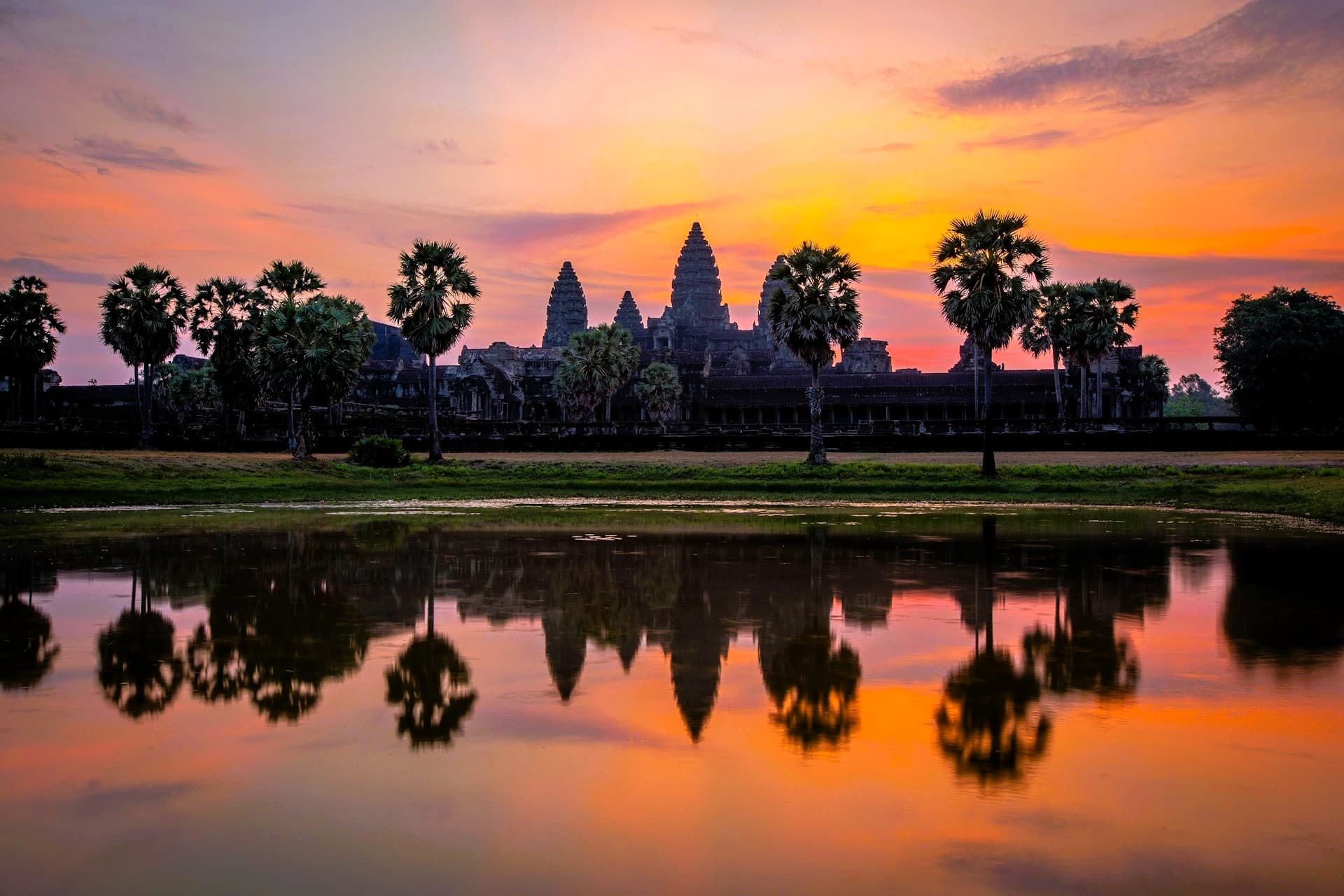
The scene on every Cambodian postcard: five lotus-bud towers black against a burning sky, doubled perfectly in the pond. Arrive in the dark, claim a spot along the northern edge, and watch the crowd fall silent as the color arrives. On clear mornings it is transcendent; on misty ones, arguably better.
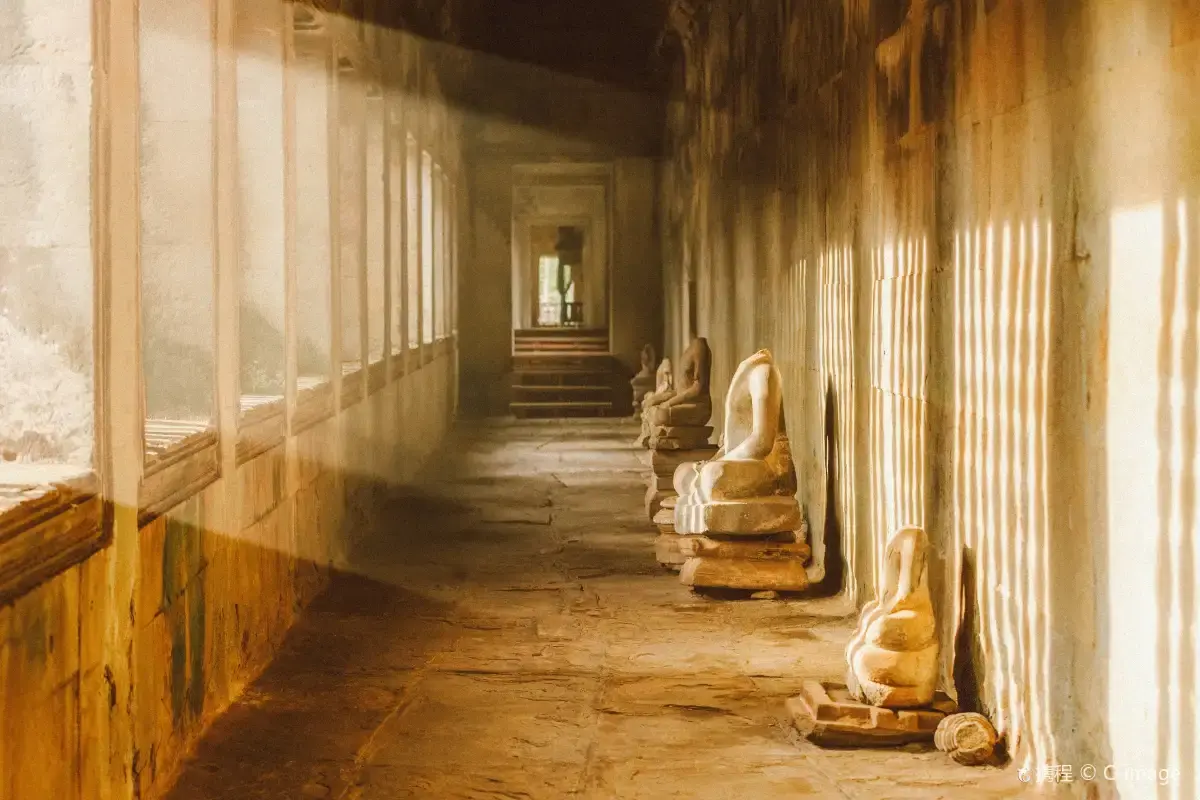
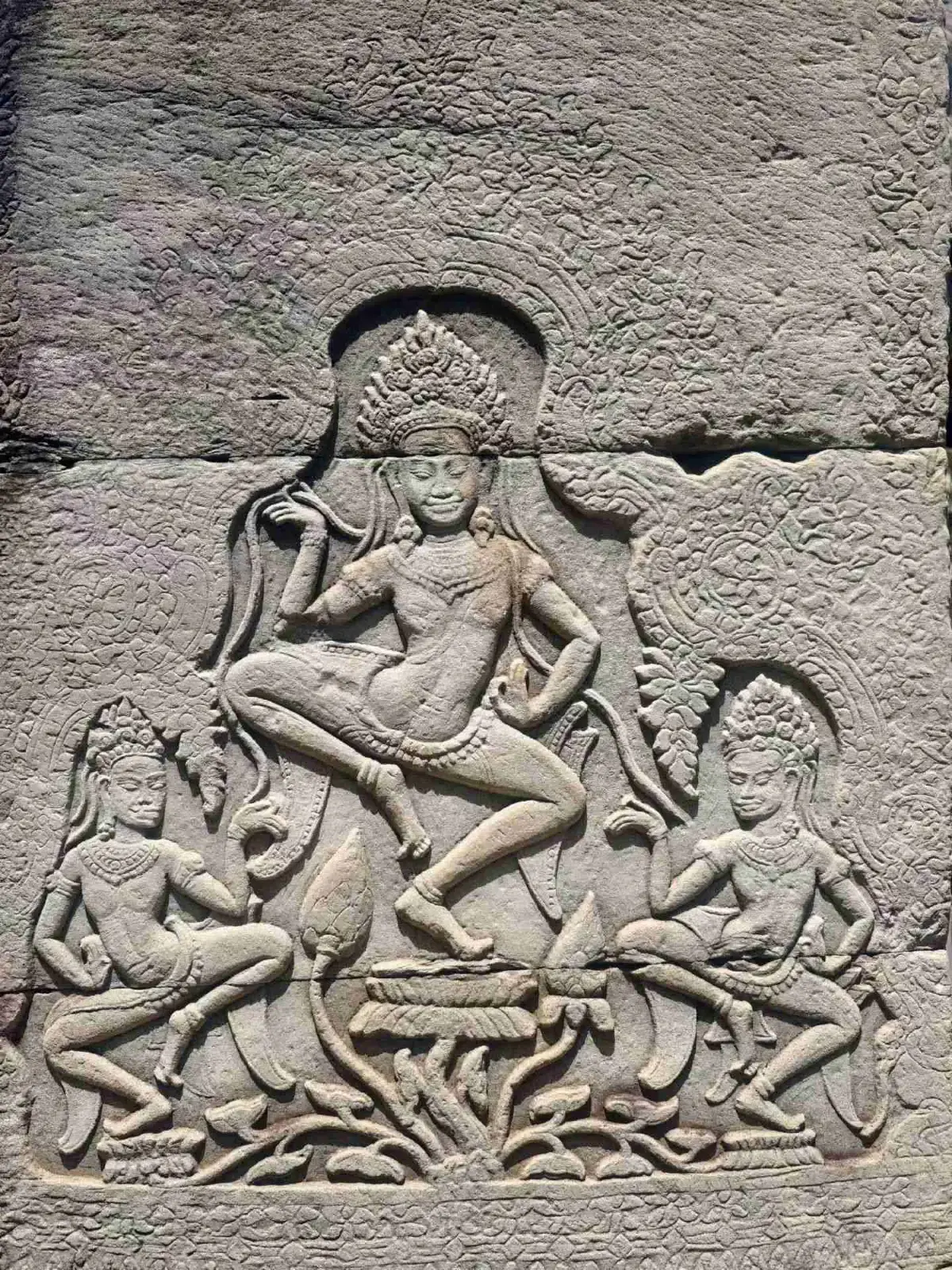
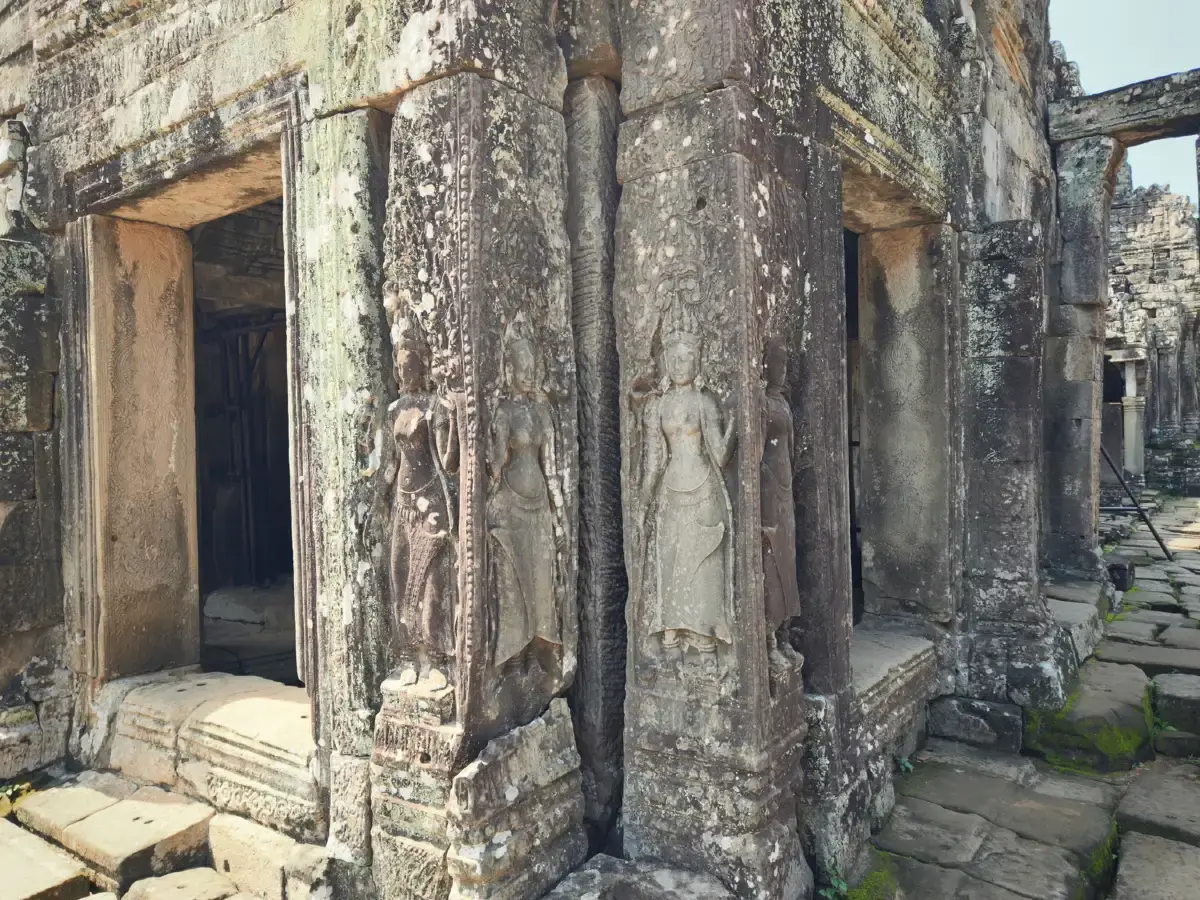
Nearly a kilometer of carved storyboard wraps the lower galleries — armies on the march, the Churning of the Sea of Milk, heavens and hells in mesmerizing detail. Walk it counterclockwise as the ancients intended, ideally with a guide or a good audio narration; without context it is decoration, with context it is an epic.
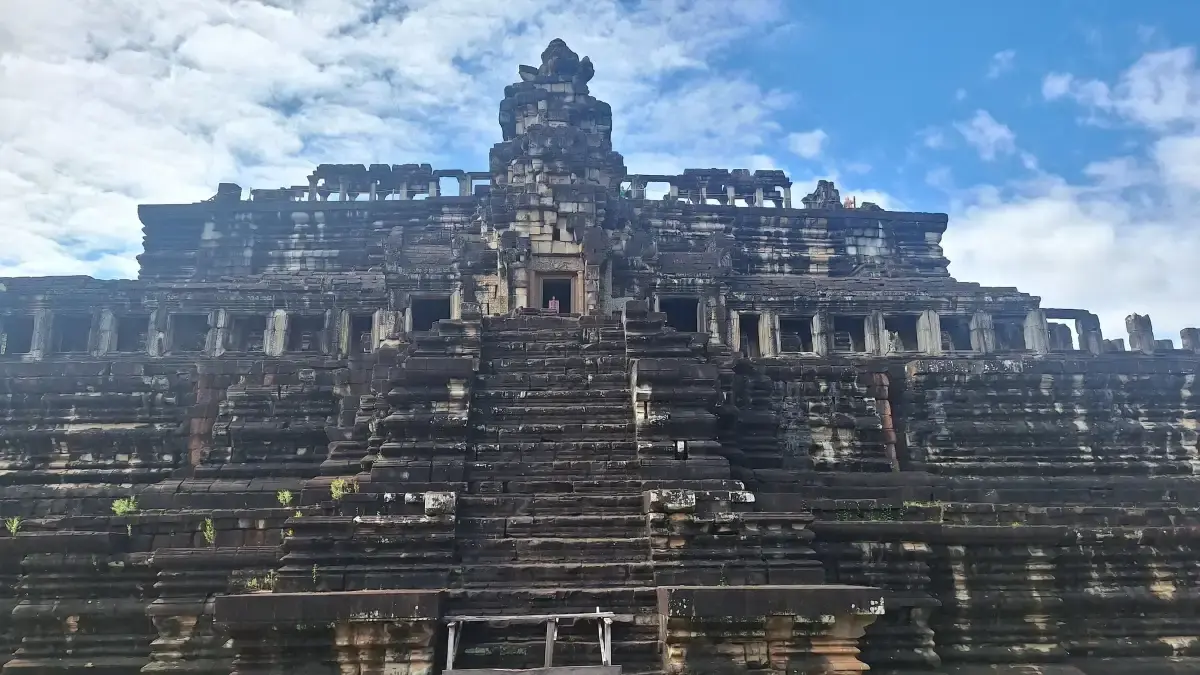
The central sanctuary rises in three steep tiers, and the stairways to the top are as vertical as stairs get — a deliberate reminder that you are climbing toward the gods. Access is regulated with daily slots and a dress code: shoulders and knees covered. The view over the whole layout from the top is the second-best photo of the day.
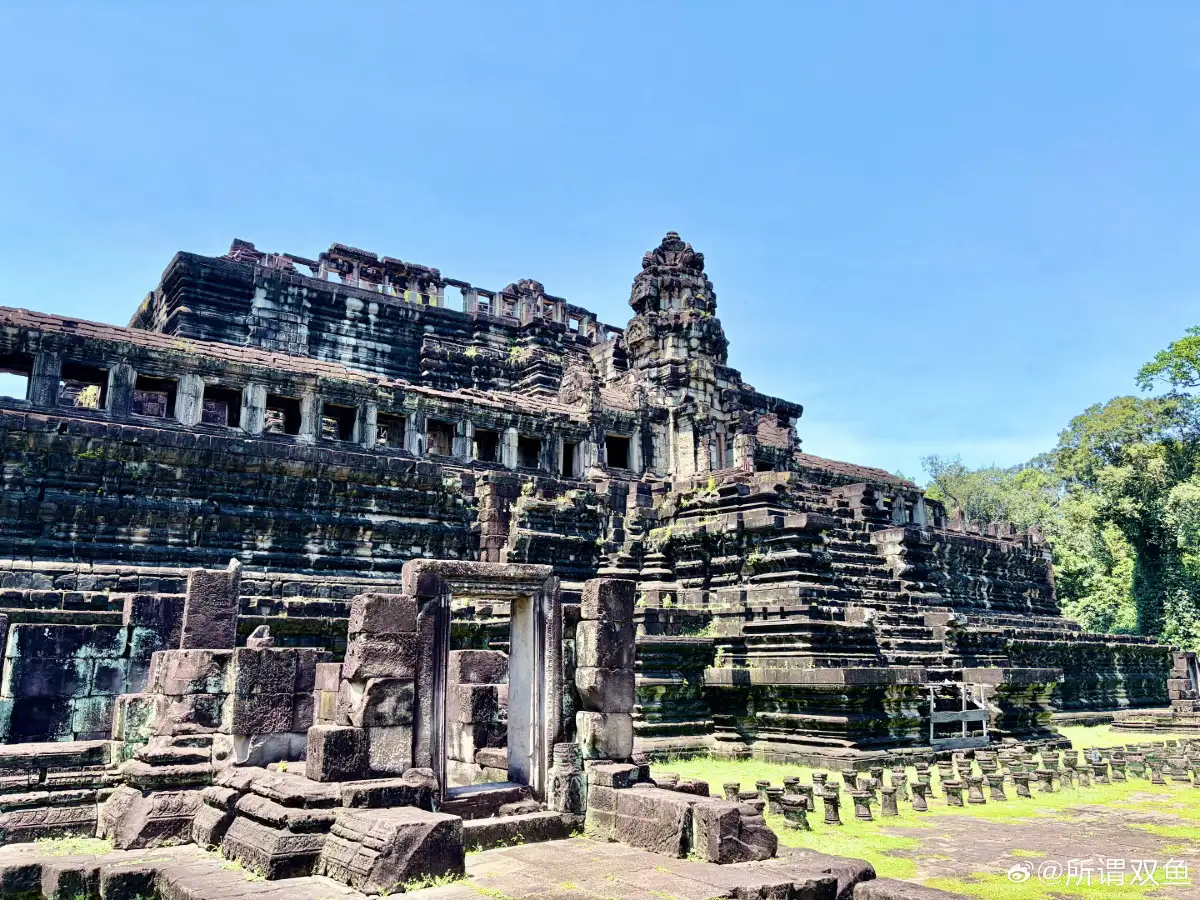
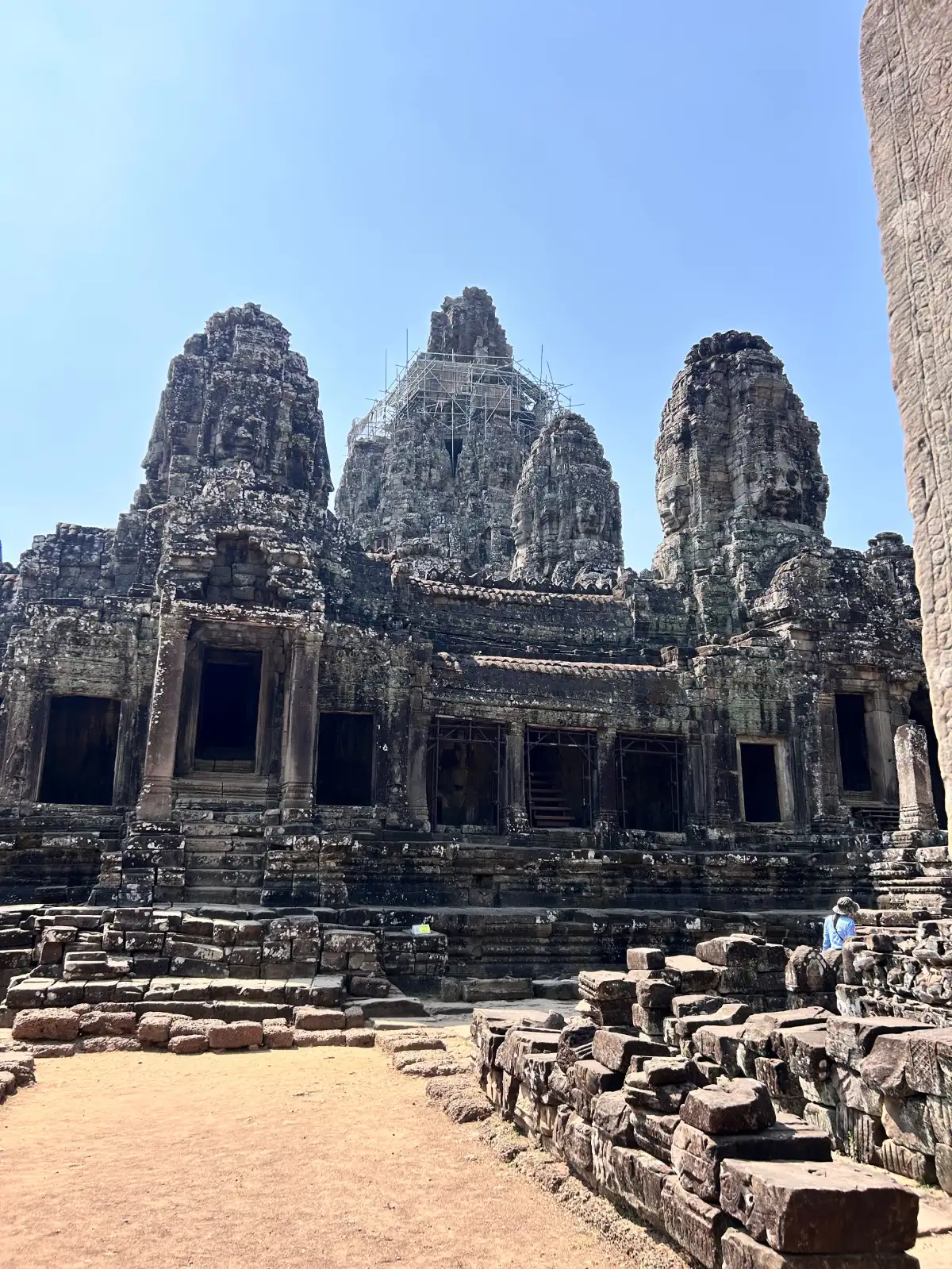
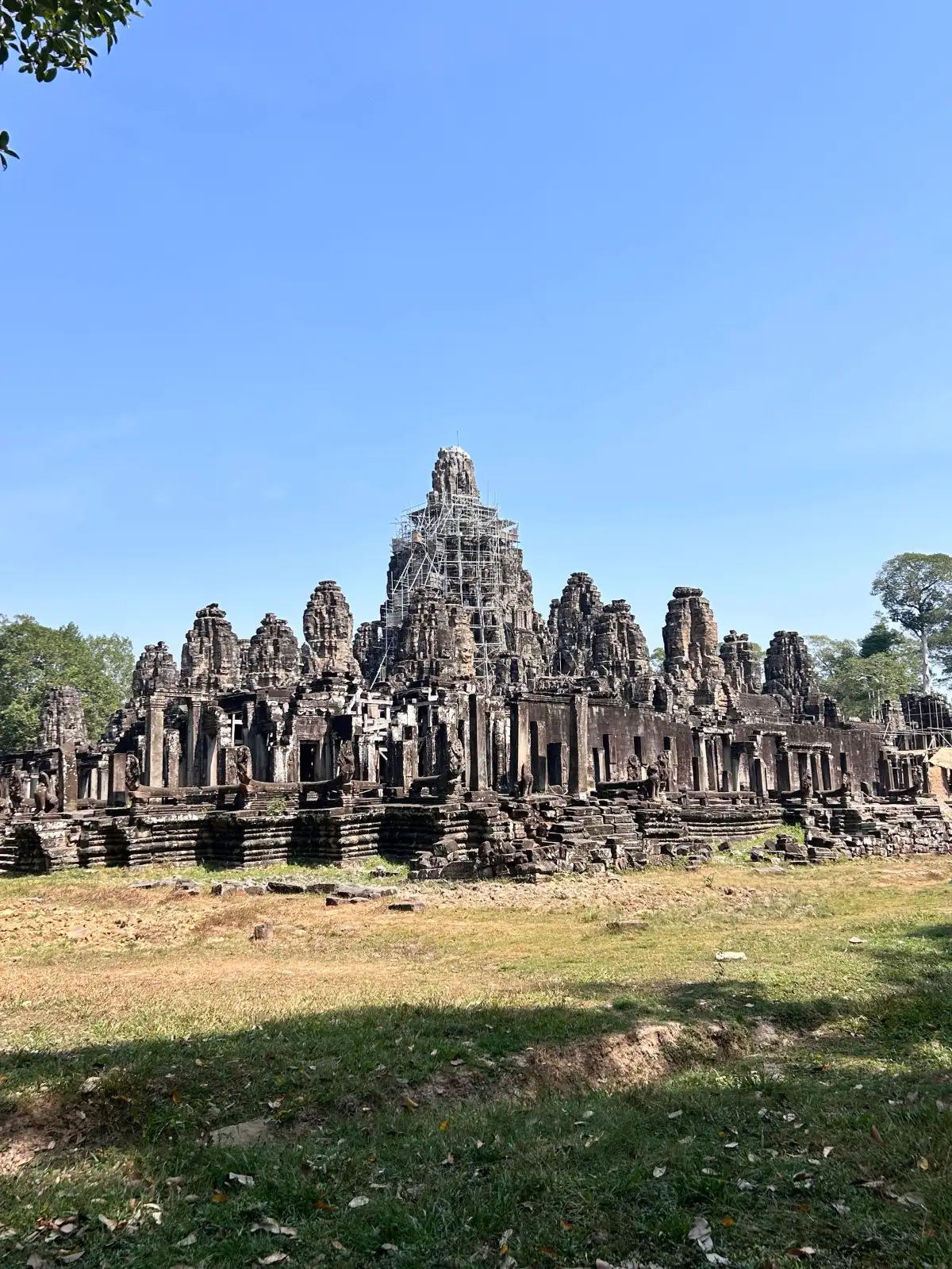
Angkor Wat is the headliner of a vast complex. The same Angkor Pass opens the smirking stone faces of Bayon at Angkor Thom, and the jungle-strangled halls of Ta Prohm, where roots and ruins have long agreed to disagree. One day barely scratches it; the pass exists in multi-day versions for exactly this reason.
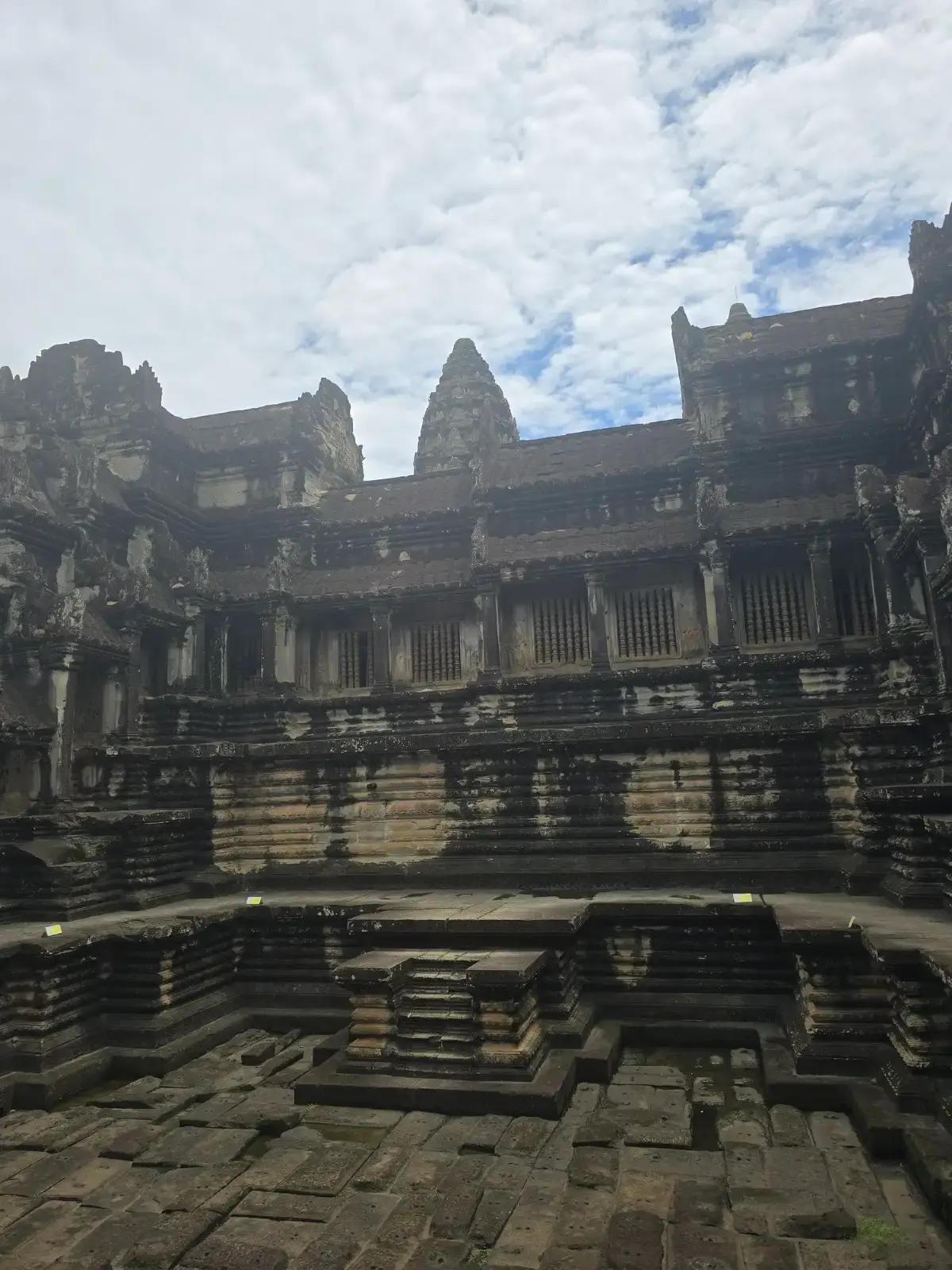
04 · Passes, guides & tours
Visiting requires the Angkor Pass — sold in one, three and seven-day versions and checked at every temple gate. Most travelers pair it with a tuk-tuk driver or a licensed guide; sunrise packages from Siem Reap bundle both. Check availability, then browse live picks below.
Sunrise tours, guided temple days and Angkor Pass combos with instant confirmation and thousands of traveler reviews.
05 · Traveler voices
Woke at four, stood in the dark by the pond, and watched the towers appear out of the mist. Nothing has made me feel smaller or luckier.
Get a guide for the bas-reliefs — ours read the carvings like a film. Without the stories it is beautiful stone; with them it is history you can touch.
Sunrise was packed but worth it — then we walked the galleries and left the crowds behind entirely. Dress code is real: covered shoulders or you wait outside.
Three-day pass, tuk-tuk driver for the whole stay, Bayon on day two, Ta Prohm on day three. Angkor Wat is the headline — the complex is the novel.
Quotes are condensed and paraphrased from recent Tripadvisor traveler reviews; names shortened for privacy.
06 · Field notes
Guides, itineraries and notes on Angkor and Siem Reap — newest first.
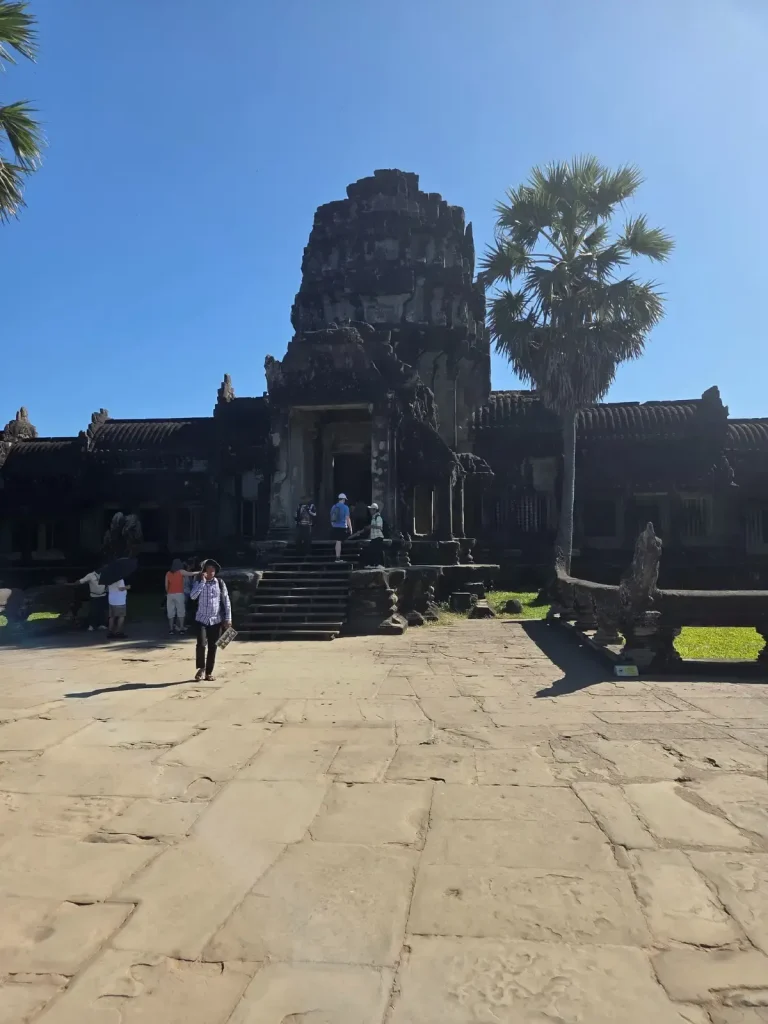
So, you’ve decided to visit Angkor Wat — the largest religious monument on Earth, a UNESCO World Heritage Site, and the crown…
Read more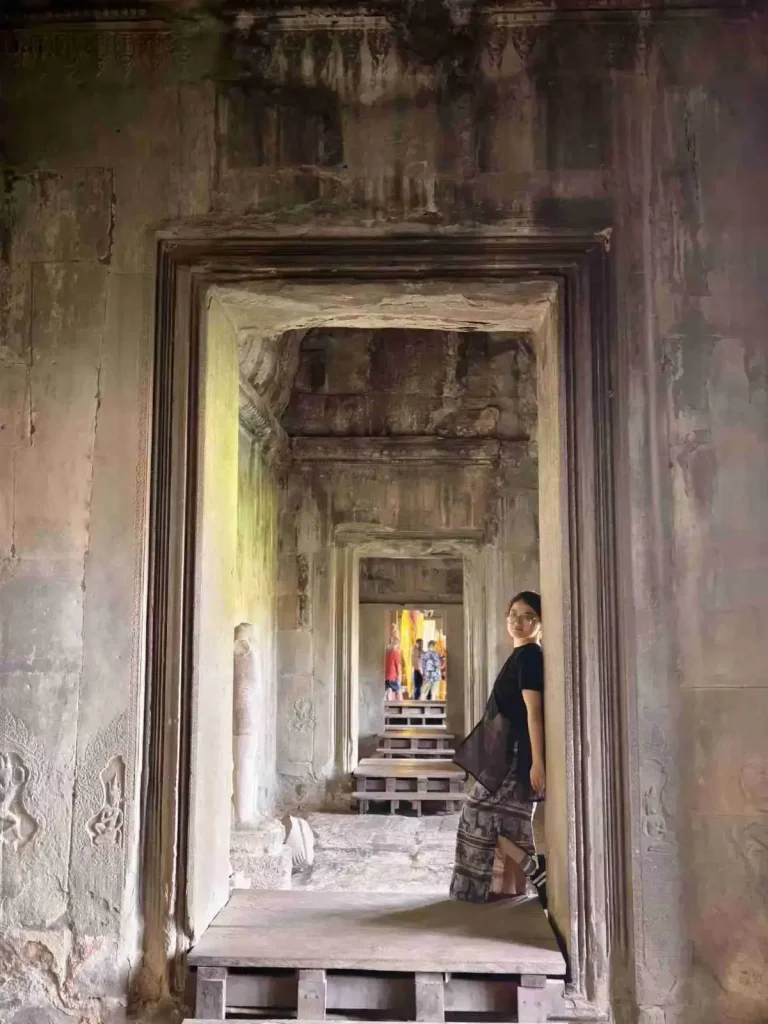
You’ve booked your flights to Siem Reap. You’ve secured your hotel, mapped out your temple itinerary, and purchased your Angkor Pass. But…
Read more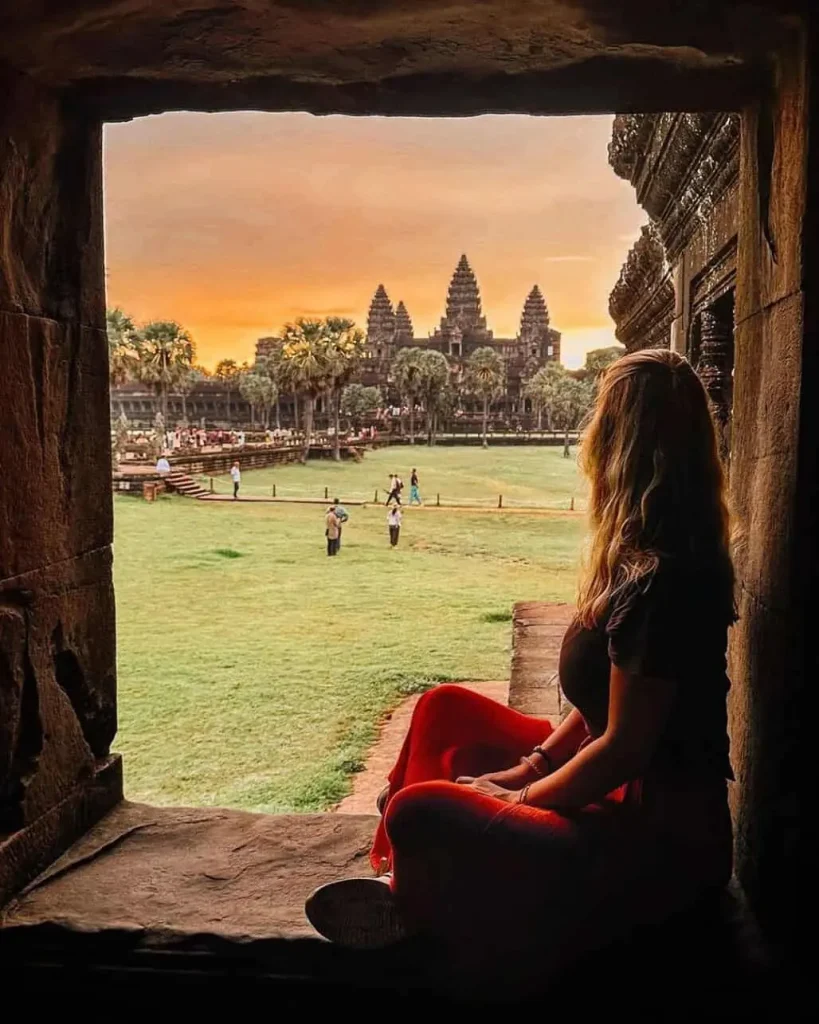
Let’s bust the biggest myth about Angkor Wat right out of the gate: You do NOT need to be rich to experience…
Read more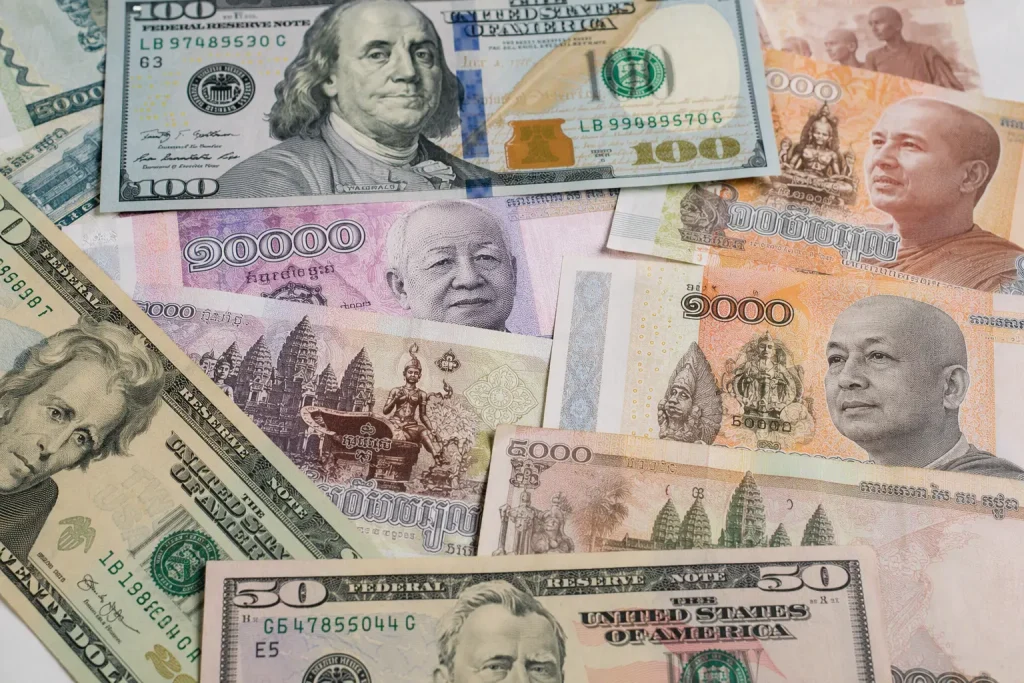
Picture this: You’ve just spent four hours exploring the magnificent, sun-drenched ruins of Ta Prohm. You’re exhausted, thirsty, and ready for a…
Read more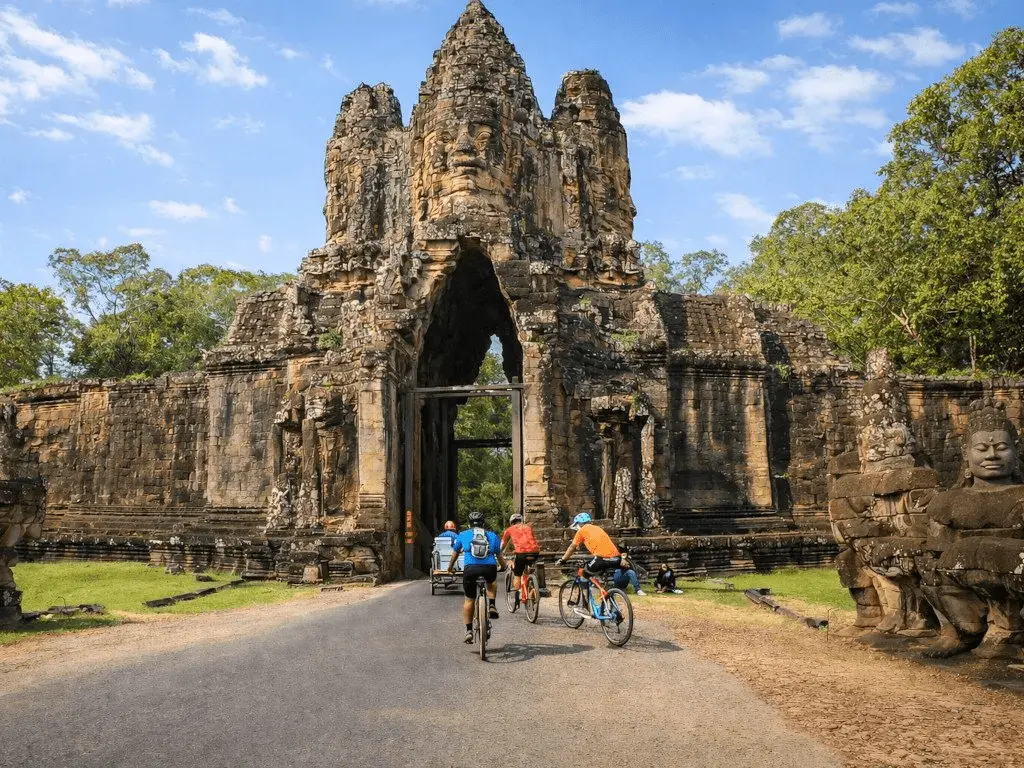
You’ve booked your flights to Siem Reap. You’ve secured your Angkor Pass. You’ve researched the temples until you can recite the history…
Read more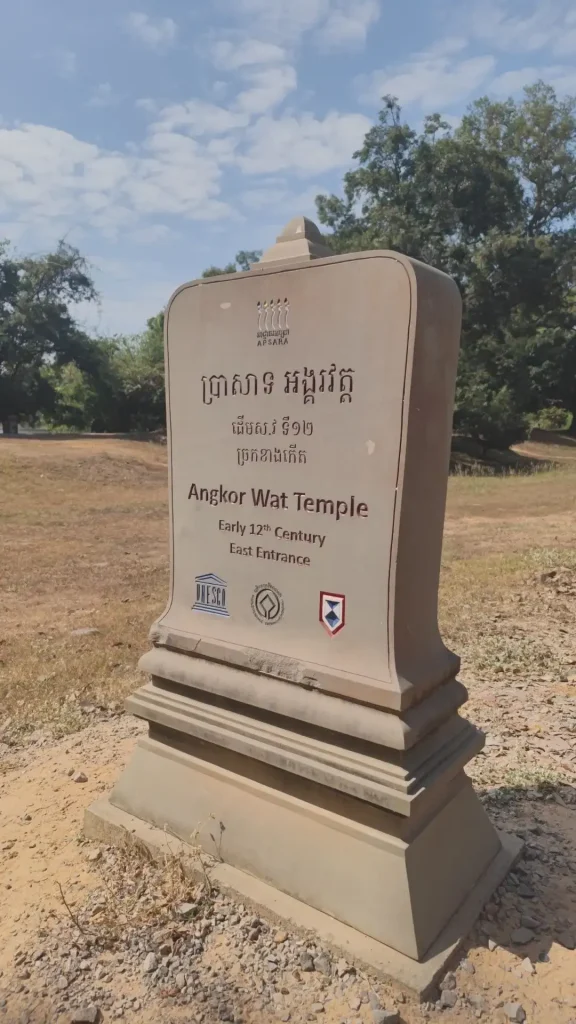
You’ve set your alarm for 4:30 AM. Your tuk-tuk driver is waiting in the cool, pitch-black morning. You are buzzing with excitement,…
Read more07 · Plan your visit
Getting there
Siem Reap International Airport connects the region with regional hubs, and the town sits a short drive from the temple gates. Most hotels arrange tuk-tuk drivers by the day — the standard and best way to tour the complex.
Every temple in the complex requires the Angkor Pass — sold in one, three and seven-day versions, with a photo taken at the official ticket office. Buy it the evening before and you can enter for sunrise the same pass day.
Pair the temples with Siem Reap town — markets,Pub Street, evening circus — or the floating villages of Tonle Sap. Phnom Penh links on by road or air. Plan on Trip.com
A perfect two days
Dark crossing, pond position by five, towers out of the mist by six. Coffee back at the gate after.
Bas-reliefs while the stone is still cool, then the Bakan climb if your slot allows.
Out of the heat by noon — pool, lunch, nap. The temples run all week; your legs run one day.
The faces of Bayon, the Terrace of the Elephants, the royal gates — a morning of stone smiles.
The jungle temple in afternoon shade, roots and ruins in their long negotiation.
Sunset hill or a quiet corner of the moat, then dinner in Siem Reap — the town exists for exactly this evening.
Temple hours run roughly dawn to dusk; the sunrise viewing starts before official opening, with the western causeway opened early for it. Passes are checked at every gate — carry yours all day.
November–February for cool mornings; April–May is brutally hot. Rainy season greens the moat and thins the crowds — brief downpours, then the stone steams beautifully.
Sunrise tours, licensed guides and Angkor Pass combos with instant confirmation — on Trip.com.
08 · Good to know
Six questions every first-timer asks — answered honestly, so nothing surprises you at the gate.
Yes — every temple in the complex requires it. Passes come in one, three and seven-day versions, are personal (your photo is printed on it), and are checked at each gate. Buy at the official ticket office or online; buying the evening before lets you catch sunrise on day one of the pass. Verify current prices on Trip.com before you travel.
Honestly: yes, with one caveat. On a clear morning the towers silhouetted against the dawn and doubled in the pond are extraordinary. On a cloudy one it is a beautiful crowd in the dark. The fix is either luck or the overnight-stay approach — go to bed early, treat it as the days headline, and remember the galleries afterward are wonderful regardless of sky.
Angkor Wat is a living place of worship: shoulders and knees covered to enter the temple, especially for the Bakan climb, where the rule is enforced firmly. Light long sleeves and trousers also beat the sun — the best travel outfit here is the respectful one. A light scarf in the daypack solves everything.
The classic combo is a tuk-tuk driver hired by the day — cheap, breezy, and they know the timing of every crowd. Add a licensed guide for at least the first day: the bas-reliefs and temple symbolism transform with context. Cars suit the far temples and the midday heat. Compare options on Trip.com
Yes, with conditions: access to the third level is limited by daily visitor slots and fixed time windows, with strict dress enforcement and steep stairs that are genuinely steep. Go early in your day, sign up at the base, and note the heights are not for anyone shaky on stairs or with young restless children.
One day does Angkor Wat properly. Three days does the classic small circuit, big circuit and outlying temples at a humane pace — which is why the three-day pass exists. Seven-day passes are for the devoted. Whatever you choose, build siestas: the stone is hottest at midday, and so are you.
One last thing
Angkor Pass · Sunrise tours · Traveler reviews